



Que signifie votre code Code Défaut BMW ?
Grace au système OBD, les
Bmw
fabriqués après 1996 sont normalement équipés d'une prise diagnostique OBD.
Si l'ordinateur de la voiture rencontre un problème,un code d'erreur ou un code de diagnostic (DTC)
sera stocké dans la mémoire de l'ECU de la voiture.
Avec un lecteur OBD branché sur le port OBD (On-Board Diagnostics) de la voiture, vous pouvez lire la liste des codes stockés, et donc découvrir quel est le problème.
Les codes suivent une formule permettant de savoir généralement quel est le problème avant même de regarder le tableau ci-dessous.
Nous vous présentons ci-dessus une liste très complète des différents codes défauts possibles.
Si le code défaut de votre auto s'affiche au tableau de bord, vous n'aurez peut-être même pas besoin d'un lecteur OBD . il sera dans la liste .
Réparer le code défaut de votre auto, c'est potentiellement simple à faire avec vos revues et méthodes techniques.

Réparer le code défaut de votre auto, c’est potentiellement simple à faire avec nos revues et méthodes techniques
| Code | Libellé |
|---|---|
| 294100 | Reduction agent (AdBlue) active reservoir heating: Maximum heating power too high |
| 294200 | Reduction agent (AdBlue) active reservoir conveyer bucket heating, control: Circuit open |
| 294300 | Reduction agent (AdBlue) active reservoir conveyer bucket heating, control: Circuit high |
| 294400 | Reduction agent (AdBlue) active reservoir conveyer bucket heating, control: Circuit to ground |
| 294500 | Reduction agent (AdBlue) active reservoir conveyer bucket heating, signal: Circuit high |
| 294600 | Reduction agent (AdBlue) active reservoir conveyer bucket heating, signal: Circuit to ground |
| 294700 | Belt-driven starter-alternator (Layer_SGRDCDC): DCDC |
| 294800 | Belt-driven starter-alternator (Layer_SGRHTABREG): HTABREG |
| 294900 | Belt-driven starter-alternator (Layer_SGRLINTMOUT): LINTMOUT |
| 295000 | Nitrogen oxide sensor downstream of SCR catalytic converter, nitrogen oxide sensor upstream of SCR catalytic converter, signals: Implausible relative to each other at load reversal |
| 295100 | DDE control unit, internal: Control unit temperature sensor faulty |
| 295200 | Reduction agent (AdBlue) delivery pump: Warm-up phase not completed successfully |
| 295300 | Reduction agent (AdBlue) pressure control, plausibility: Reduction agent pressure too high |
| 295400 | SCR system metering: No approval, no exhaust-gas temperature upstream and downstream of SCR catalytic converter |
| 295500 | Reduction agent (AdBlue) delivery pump: Pump motor speed implausible |
| 295600 | Reduction agent (AdBlue) delivery pump: Warm-up phase takes too long |
| 295700 | Reduction agent (AdBlue) pump system: dFC_UPmpReFlNDvt |
| 295800 | Urea/water mixture fuel tank level: Maximum permitted remaining range during switch-off scenario (fuel tank level too low) reached |
| 295900 | Boost pressure regulator: Boost pressure regulator electrical or mechanical failure or overtemperature |
| 296000 | Fuel level sensor 1, signal: Circuit open or circuit to ground |
| 296100 | Exhaust temperature sensor upstream of catalytic converter, plausibility: Difference, measured from calculated exhaust-gas temperature, too high |
| 296500 | Boost pressure regulator: Boost pressure regulator stuck closed |
| 296700 | DDE control unit internal: FlexRay transmit signal calculated incorrectly |
| 296800 | DDE control unit internal: FlexRay transmit signal calculated incorrectly |
| 296900 | DDE control unit internal: FlexRay transmit signal calculated incorrectly |
| 297000 | DDE control unit, internal: FlexRay transmit signal calculated incorrectly |
| 297200 | Oil level: Engine oil level too low |
| 297300 | Electric fan 2, activation: Short circuit to ground |
| 297400 | Charging pressure controller for high-pressure stage (variable turbine geometry): electrical or mechanical fault or excess temperature |
| 297500 | Charging pressure controller for high-pressure stage (variable turbine geometry), position sensor: Faulty |
| 297600 | Charging pressure controller, high-pressure stage (variable turbine geometry), activation: Not plausible |
| 297700 | Charging pressure controller, high-pressure stage (variable turbine geometry), activation: Excess temperature |
| 297800 | Charging pressure controller for high-pressure stage (variable turbine geometry), electrical or mechanical fault or excess temperature |
| 297900 | Charging pressure controller for high-pressure stage (variable turbine geometry), position sensor: Faulty |
| 298000 | Boost-pressure actuator VNT, control: Control signal boost-pressure actuator implausible |
| 298100 | Boost-pressure actuator VNT: Overheating recognised in boost-pressure actuator |
| 298200 | Charging pressure controller, high-pressure stage (variable turbine geometry), activation: Open or short circuit to B+ |
| 298300 | Charging pressure controller, high-pressure stage (variable turbine geometry), activation: Short circuit to ground |
| 298400 | Electric fan 2, control: Circuit/open |
| 298600 | Electric fan 2, activation: Short circuit to B+ |
| 298700 | Charging pressure controller, high-pressure stage (variable turbine geometry), activation: Open circuit |
| 298800 | Charging pressure controller, high-pressure stage (variable turbine geometry), activation: Current too high |
| 298900 | Charging pressure controller, high-pressure stage (variable turbine geometry), activation: Output stage, excess temperature |
| 299000 | Charging pressure controller for high-pressure stage (variable turbine geometry), supply: Voltage too low |
| 299100 | Charging pressure controller, high-pressure stage (variable turbine geometry), activation: Open circuit |
| 299200 | Charging pressure controller, high-pressure stage (variable turbine geometry), activation: Current too high |
| 299300 | Charging pressure controller, high-pressure stage (variable turbine geometry), activation: Output stage, excess temperature |
| 299400 | Charging pressure controller, high-pressure stage (variable turbine geometry), output 1 (DC+), activation: Short circuit to B+ |
| 299500 | Charging pressure controller, high-pressure stage (variable turbine geometry), output 2 (DC+), activation: short circuit to B+ |
| 299600 | Charging pressure controller for high-pressure stage (variable turbine geometry), output 1 (DC-), activation: Short circuit to ground |
| 299700 | Charging pressure controller, high-pressure stage (variable turbine geometry), output 2 (DC-), activation: Short circuit to ground |
| 299800 | Charging pressure controller, high-pressure stage (variable turbine geometry), activation: Overloading |
| 299900 | Charging pressure controller, high-pressure stage (variable turbine geometry), activation: Current too high |
| 300100 | Oxygen sensor before catalytic converter, plausibility: Internal fault of the oxygen sensor |
| 300200 | Oxygen sensor after catalytic converter, plausibility: Internal fault of the oxygen sensor |
| 300300 | Oxygen sensor before catalytic converter, plausibility: Internal fault of the oxygen sensor |
| 300400 | Oxygen sensor after catalytic converter, plausibility: Internal fault of the oxygen sensor |
| 300500 | DDE control unit: Internal fault (CAN-controller faulty) |
| 300600 | Oxygen sensor after catalytic converter, signal: Dynamics implausible during transition from lean to rich |
| 300700 | Oxygen sensor before catalytic converter, signal: Dynamics implausible during transition from lean to rich |
| 300800 | DDE main relay, activation: Short circuit to ground |
| 300900 | DDE control unit: Internal fault |
| 305000 | Oxygen sensor after catalytic converter, signal: Too low the event of partial load |
| 305500 | Oxygen sensor before catalytic converter, signal: Too high in coasting (overrun) mode |
| 305600 | Oxygen sensor after catalytic converter, signal: Too high in coasting (overrun) mode |
| 305800 | Oxygen sensor before catalytic converter, signal: Too low the event of coasting overrun |
| 305900 | Oxygen sensor after catalytic converter, signal: Too low the event of coasting overrun |
| 306000 | Oxygen sensor after catalytic converter, signal: Dynamics implausible during transition from rich to lean |
| 306400 | Nitrogen oxide sensor after SCR catalytic converter, message (calibration, 0x130): invalid |
| 306500 | Nitrogen oxide sensor after SCR catalytic converter, message (calibration, 0x135): invalid |
| 306600 | Nitrogen oxide sensor after SCR catalytic converter, message (calibration, 0x130): invalid |
| 306700 | Nitrogen oxide sensor after SCR catalytic converter, message (calibration, 0x135): invalid |
| 307200 | DDE control unit: Internal fault |
| 307300 | DDE control unit: Internal fault |
| 307900 | DDE control unit: Internal fault |
| 308800 | Intelligent battery sensor 1: Communication fault - read serial number service |
| 310000 | DDE control unit: Internal fault |
| 310300 | DDE control unit: Internal fault |
| 310600 | DDE control unit: Internal fault |
| 310700 | DDE control unit: Internal fault |
| 310800 | DDE control unit: Internal fault |
| 310900 | DDE control unit: Internal fault |
| 311200 | DDE control unit: Internal fault |
| 311400 | DDE control unit: Internal fault |
| 311500 | DDE control unit: Internal fault |
| 311600 | DDE control unit: Internal fault |
| 311700 | DDE control unit: Internal fault |
| 311800 | DDE control unit: Internal fault |
| 313000 | Injection relay: permanently closed (activation deactivated) |
| 313200 | Relay, injection, output voltage: Not plausible |
| 0316E3 | Information emergency run manager, high-voltage starter motor generator: No internal signal for power |
| 400001 | Electronic pressure-control valve 1, short circuit to ground |
| 400002 | Electronic pressure-control valve 1, short circuit to positive |
| 400003 | Electronic pressure-control valve 1, open circuit |
| 400004 | Electronic pressure-control valve 1, current too high |
| 400005 | Electronic pressure-control valve 1, current too low |
| 400006 | Electronic pressure-control valve 1, short circuit to ground or open circuit |
| 400009 | Electronic pressure-control valve 1, faulty free-wheeling diode |
| 400011 | Electronic pressure-control valve 2, short circuit to ground |
| 400012 | Electronic pressure-control valve 2, short circuit to positive |
DEFINISSEZ VOTRE MARQUE POUR ACCEDER A VOS CODES DEFAUTS










-
Revue technique RTA

Revue Technique Automobile
La revue technique de référence depuis 1946. La RTA est une revue papier pour tous publics, qui vous permet d'effectuer les petites et les grosses réparations
 Voir le descriptif
-
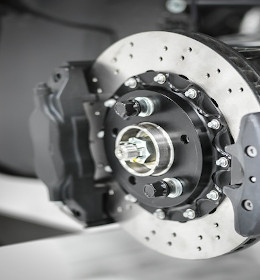
Entretien courant MTA

Méthode Technique Automobile
La MTA est issue de nos outils destinés aux pros de l'auto. Ces méthodes en ligne permettent d'effectuer les opérations de maintenances de votre auto (filtres, courroies, etc.)
 Voir le descriptif
-
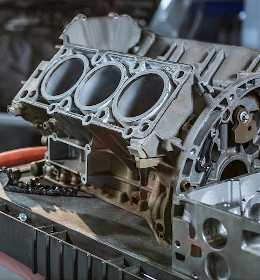
Toutes réparations MTAx

Méthode Technique Automobile Expert
La MTA expert est un outil en ligne destiné aux experts en mécanique et en carrosserie, pour effectuer tous types de réparations sur une voiture.
 Voir le descriptif