



Que signifie votre code Code Défaut BMW ?
Grace au système OBD, les
Bmw
fabriqués après 1996 sont normalement équipés d'une prise diagnostique OBD.
Si l'ordinateur de la voiture rencontre un problème,un code d'erreur ou un code de diagnostic (DTC)
sera stocké dans la mémoire de l'ECU de la voiture.
Avec un lecteur OBD branché sur le port OBD (On-Board Diagnostics) de la voiture, vous pouvez lire la liste des codes stockés, et donc découvrir quel est le problème.
Les codes suivent une formule permettant de savoir généralement quel est le problème avant même de regarder le tableau ci-dessous.
Nous vous présentons ci-dessus une liste très complète des différents codes défauts possibles.
Si le code défaut de votre auto s'affiche au tableau de bord, vous n'aurez peut-être même pas besoin d'un lecteur OBD . il sera dans la liste .
Réparer le code défaut de votre auto, c'est potentiellement simple à faire avec vos revues et méthodes techniques.

Réparer le code défaut de votre auto, c’est potentiellement simple à faire avec nos revues et méthodes techniques
| Code | Libellé |
|---|---|
| 21F226 | High-voltage battery unit, safety box: Battery voltage, value outside of nominal range (bottom) |
| 21F227 | High-voltage battery unit, safety box: Battery voltage, measuring cable short circuit to ground |
| 21F22C | High-voltage battery unit, monitoring of isolation resistance: Self-test failed |
| 21F22D | High-voltage battery unit, cell supervision circuit: Software version not compatible |
| 21F22E | High-voltage battery, cell modules: Check for faulty temperature sensors failed |
| 21F22F | High-voltage battery, cell supervision circuit: Faultily, ripcord was not pulled, PWM not OK |
| 21F230 | High-voltage battery, cell module 1: Voltage outside nominal range or unknown |
| 21F230 | The internal functions of the high-voltage battery module have been deactivated due to cell voltage being too low |
| 21F231 | High-voltage battery, cell supervision circuit 1: Overvoltage (at least one cell) |
| 21F232 | High-voltage battery, cell supervision circuit 2: Overvoltage (at least one cell) |
| 21F233 | High-voltage battery, cell supervision circuit 3: Overvoltage (at least one cell) |
| 21F234 | High-voltage battery, cell supervision circuit 4: Overvoltage (at least one cell) |
| 21F235 | High-voltage battery, cell supervision circuit 3: Overvoltage (at least one cell) |
| 21F236 | High-voltage battery, cell supervision circuit 3+: Overvoltage (at least one cell) |
| 21F237 | High-voltage battery, cell supervision circuit 4: Overvoltage (at least one cell) |
| 21F238 | High-voltage battery, cell supervision circuit 4+: Overvoltage (at least one cell) |
| 21F239 | High-voltage battery, cell supervision circuit 5: Overvoltage (at least one cell) |
| 21F23A | High-voltage battery, cell supervision circuit 5+: Overvoltage (at least one cell) |
| 21F23B | High-voltage battery, cell supervision circuit 6: Overvoltage (at least one cell) |
| 21F23C | High-voltage battery, cell supervision circuit 6+: Overvoltage (at least one cell) |
| 21F23D | High-voltage battery, cell module 14: Voltage outside nominal range or unknown |
| 21F240 | High-voltage battery, cell module 1: Temperature outside nominal range or unknown |
| 21F241 | High-voltage battery, cell supervision circuit 1: Undervoltage (at least one cell) |
| 21F242 | High-voltage battery, cell supervision circuit 1+: Undervoltage (at least one cell) |
| 21F243 | High-voltage battery, cell supervision circuit 2: Undervoltage (at least one cell) |
| 21F244 | High-voltage battery, cell supervision circuit 2+: Undervoltage (at least one cell) |
| 21F245 | High-voltage battery, cell supervision circuit 3: Undervoltage (at least one cell) |
| 21F246 | High-voltage battery, cell supervision circuit 6: Undervoltage (at least one cell) |
| 21F247 | High-voltage battery, cell supervision circuit 7: Undervoltage (at least one cell) |
| 21F248 | High-voltage battery, cell supervision circuit 8: Undervoltage (at least one cell) |
| 21F249 | High-voltage battery, cell supervision circuit 5: Undervoltage (at least one cell) |
| 21F24A | High-voltage battery, cell supervision circuit 5+: Undervoltage (at least one cell) |
| 21F24B | High-voltage battery, cell supervision circuit 6: Undervoltage (at least one cell) |
| 21F24C | High-voltage battery, cell supervision circuit 6+: Undervoltage (at least one cell) |
| 21F24D | High-voltage battery, cell module 14: Temperature outside nominal range or unknown |
| 21F24E | High-voltage battery, cell module 15: Temperature outside nominal range or unknown |
| 21F24F | High-voltage battery, cell module 16: Temperature outside nominal range or unknown |
| 21F250 | High-voltage battery unit, positive terminal: Activation of switch contactor, electrical fault |
| 21F251 | High-voltage battery unit, negative terminal: Activation of switch contactor, electrical fault |
| 21F252 | High-voltage battery, cell supervision circuit 1: Excess temperature in the cell block, output limit active |
| 21F253 | High-voltage battery, cell supervision circuit 2: Excess temperature in the cell block, output limit active |
| 21F254 | High-voltage battery, cell supervision circuit 2: Excess temperature in the cell block, output limit active |
| 21F255 | High-voltage battery, cell supervision circuit 4: Excess temperature in the cell block, output limit active |
| 21F256 | High-voltage battery, cell supervision circuit 5: Excess temperature in the cell block, output limit active |
| 21F257 | High-voltage battery, cell supervision circuit 6: Excess temperature in the cell block, output limit active |
| 21F258 | High-voltage battery, cell supervision circuit 4: Excess temperature in the cell block, output limit active |
| 21F259 | High-voltage battery, cell supervision circuit 4+: Excess temperature in the cell block, output limit active |
| 21F25A | High-voltage battery, cell supervision circuit 5: Excess temperature in the cell block, output limit active |
| 21F25B | High-voltage battery, cell supervision circuit 5+: Excess temperature in the cell block, output limit active |
| 21F25C | High-voltage battery, cell supervision circuit 6: Excess temperature in the cell block, output limit active |
| 21F25D | High-voltage battery, cell supervision circuit 6+: Excess temperature in the cell block, output limit active |
| 21F260 | High-voltage battery, cell supervision circuit 1: Temperature measurement of the cell module, short circuit to ground |
| 21F261 | High-voltage battery, cell supervision circuit 2: Temperature measurement of the cell module, short circuit to ground |
| 21F262 | High-voltage battery, cell supervision circuit 3: Temperature measurement of the cell module, short circuit to ground |
| 21F263 | High-voltage battery, cell supervision circuit 4: Temperature measurement of the cell module, short circuit to ground |
| 21F264 | High-voltage battery, cell supervision circuit 5: Temperature measurement of the cell module, short circuit to ground |
| 21F265 | High-voltage battery, cell supervision circuit 6: Temperature measurement of the cell module, short circuit to ground |
| 21F266 | High-voltage battery, cell supervision circuit 7: Temperature measurement of the cell module, short circuit to ground |
| 21F267 | High-voltage battery, cell supervision circuit 8: Temperature measurement of the cell module, short circuit to ground |
| 21F268 | High-voltage battery, cell supervision circuit 9: Temperature measurement of the cell module, short circuit to ground |
| 21F269 | High-voltage battery, cell supervision circuit 10: Temperature measurement of the cell module, short circuit to ground |
| 21F26A | High-voltage battery, cell supervision circuit 11: Temperature measurement of the cell module, short circuit to ground |
| 21F26B | High-voltage battery, cell supervision circuit 12: Temperature measurement of the cell module, short circuit to ground |
| 21F270 | High-voltage battery unit, safety concept 3: Switch-off of switch contactors after timeout during programming procedure |
| 21F271 | High-voltage battery unit, cell supervision circuit: Safety circuit activated |
| 21F272 | High-voltage battery unit, cell supervision circuit: Test of the safety circuit failed, no response of cell supervision circuit |
| 21F273 | High-voltage battery unit, cell supervision circuit: Test of the safety circuit failed, response of cell supervision circuit missing |
| 21F275 | High-voltage battery unit, cell supervision circuit: Safety circuit was not activated |
| 21F276 | High-voltage battery unit, cell supervision circuit: Test failed between safety computer and main computer |
| 21F280 | High-voltage battery, cell supervision circuit 1: Temperature measurement of the cell module, short circuit |
| 21F281 | High-voltage battery, cell supervision circuit 2: Temperature measurement of the cell module, short circuit |
| 21F282 | High-voltage battery, cell supervision circuit 3: Temperature measurement of the cell module, short circuit |
| 21F283 | High-voltage battery unit, safety concept 3: Switch-off of switch contactors after timeout during programming procedure |
| 21F284 | High-voltage battery, cell supervision circuit 5: Temperature measurement of the cell module, short circuit |
| 21F285 | High-voltage battery unit, cell supervision circuit: Test of the safety circuit failed, no response of cell supervision circuit |
| 21F286 | High-voltage battery unit, cell supervision circuit: Test of the safety circuit failed, response of cell supervision circuit missing |
| 21F287 | High-voltage battery, cell supervision circuit 8: Temperature measurement of the cell module, short circuit |
| 21F288 | High-voltage battery, cell supervision circuit 9: Temperature measurement of the cell module, short circuit |
| 21F289 | High-voltage battery, cell supervision circuit 10: Temperature measurement of the cell module, short circuit |
| 21F28A | High-voltage battery, cell supervision circuit 11: Temperature measurement of the cell module, short circuit |
| 21F28B | High-voltage battery, cell supervision circuit 12: Temperature measurement of the cell module, short circuit |
| 21F28F | High-voltage battery, cell supervision circuit: Temperature of at least one battery cell invalid |
| 21F295 | High-voltage battery, cell block: Overload current of at least one battery cell |
| 21F296 | High-voltage battery, cell supervision circuit 1: Temperature measurement, line disconnection. |
| 21F297 | High-voltage battery, cell supervision circuit 2: Temperature measurement, line disconnection. |
| 21F298 | High-voltage battery, cell supervision circuit 3: Temperature measurement, line disconnection. |
| 21F299 | High-voltage battery, cell supervision circuit 4: Temperature measurement, line disconnection. |
| 21F29A | High-voltage battery, cell supervision circuit 3: Temperature measurement, line disconnection. |
| 21F29B | High-voltage battery, cell supervision circuit 6: Temperature measurement, line disconnection. |
| 21F29C | High-voltage battery, cell supervision circuit 4: Temperature measurement, line disconnection. |
| 21F29D | High-voltage battery, cell supervision circuit 4+: Temperature measurement, line disconnection. |
| 21F29E | High-voltage battery, cell supervision circuit 5: Temperature measurement, line disconnection. |
| 21F29F | High-voltage battery, cell supervision circuit 5+: Temperature measurement, line disconnection. |
| 21F2A0 | High-voltage battery, cell supervision circuit 6: Temperature measurement, line disconnection. |
| 21F2A1 | High-voltage battery, cell supervision circuit 6+: Temperature measurement, line disconnection. |
| 21F2A2 | High-voltage battery, cell module 10: At least one temperature sensor implausible |
| 21F2A3 | High-voltage battery, cell module 11: At least one temperature sensor implausible |
| 21F2A4 | High-voltage battery, cell module 12: At least one temperature sensor implausible |
| 21F2A9 | High-voltage battery unit, safety concept 2: Activation of the switch contactors, message of EME missing or signal invalid |
| 21F2B0 | High-voltage battery unit, SME: No communication with voltage and current sensor |
DEFINISSEZ VOTRE MARQUE POUR ACCEDER A VOS CODES DEFAUTS












-
Revue technique RTA

Revue Technique Automobile
La revue technique de référence depuis 1946. La RTA est une revue papier pour tous publics, qui vous permet d'effectuer les petites et les grosses réparations
 Voir le descriptif
-
Entretien courant MTA

Méthode Technique Automobile
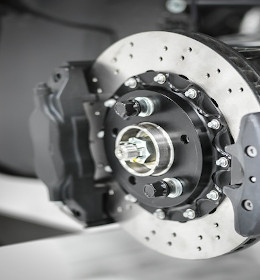
La MTA est issue de nos outils destinés aux pros de l'auto. Ces méthodes en ligne permettent d'effectuer les opérations de maintenances de votre auto (filtres, courroies, etc.)
 Voir le descriptif
-
Toutes réparations MTAx

Méthode Technique Automobile Expert
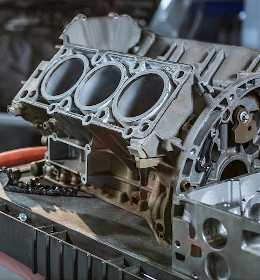
La MTA expert est un outil en ligne destiné aux experts en mécanique et en carrosserie, pour effectuer tous types de réparations sur une voiture.
 Voir le descriptif